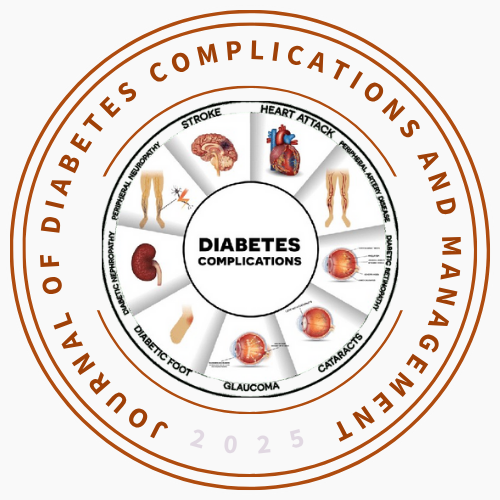
SCICONX Journal of Diabetes Complications and Management
Aim and Scope
The SCICONX Journal of Diabetes Complications and Management (JDCM) is an international, peer-reviewed, open-access journal dedicated to advancing scientific knowledge and clinical practice in the field of diabetes and its associated complications. The journal provides a specialized platform for the dissemination of high-quality research that addresses the complex, multifactorial nature of diabetes and its impact on human health.
Aim of the Journal
The primary aim of JDCM is to foster the advancement of research and clinical innovation focused on the prevention, early detection, pathophysiology, and management of diabetes-related complications. The journal seeks to bridge the gap between laboratory research and clinical application by encouraging contributions that integrate basic science, translational research, and real-world clinical practice.
This Journal aspires to support the global scientific and medical community by:
- Promoting interdisciplinary collaboration across medical, pharmaceutical, and public health domains
- Encouraging evidence-based approaches to improve patient care and long-term outcomes
- Providing a reliable and accessible platform for emerging and established researchers
- Contributing to the development of innovative therapeutic and management strategies
Scope of the Journal
JDCM welcomes submissions from a broad spectrum of disciplines related to diabetes research and management, with particular emphasis on complications arising from the disease.
1. Pathophysiology and Disease Mechanisms
- Cellular and molecular mechanisms underlying diabetes complications
- Role of oxidative stress, inflammation, and metabolic dysregulation
- Genetic and epigenetic factors influencing disease progression
2. Microvascular Complications
- Diabetic retinopathy and vision-related disorders
- Diabetic nephropathy and kidney dysfunction
- Diabetic neuropathy and nerve damage
- Early biomarkers and diagnostic advancements
3. Macrovascular Complications
- Cardiovascular diseases associated with diabetes
- Atherosclerosis and vascular dysfunction
- Stroke and cerebrovascular complications
- Peripheral arterial disease
4. Diabetic Foot and Wound Management
- Pathogenesis of diabetic foot ulcers
- Infection control and wound healing strategies
- Surgical and non-surgical management approaches
- Rehabilitation and preventive care
5. Special Populations and Clinical Conditions
- Gestational diabetes and maternal-fetal complications
- Pediatric and adolescent diabetes complications
- Geriatric diabetes and age-related risks
- Comorbidities and multimorbidity management
6. Therapeutics and Clinical Management
- Pharmacological interventions and drug therapies
- Insulin therapy and glucose-lowering strategies
- Novel and emerging treatment approaches
- Personalized and precision medicine
7. Lifestyle, Prevention, and Rehabilitation
- Dietary interventions and nutritional management
- Physical activity and behavioral modifications
- Preventive strategies and early intervention programs
- Patient education and self-management
8. Public Health, Epidemiology, and Healthcare Systems
- Global and regional burden of diabetes
- Epidemiological trends and risk assessment
- Healthcare delivery models and policy research
- Cost-effectiveness and resource allocation
9. Digital Health and Technological Innovations
- Use of artificial intelligence in diabetes care
- Continuous glucose monitoring and wearable technologies
- Telemedicine and remote patient management
- Data-driven approaches to disease prediction and control
Types of Contributions
The journal considers a wide range of scholarly works, including:
- Original Research Articles
- Review Articles
- Systematic Reviews and Meta-Analyses
- Case Reports and Case Series
- Short Communications
- Clinical Trials and Observational Studies
- Editorials and Expert Perspectives
Interdisciplinary Focus
JDCM strongly encourages submissions that adopt a multidisciplinary approach, integrating fields such as:
- Endocrinology and Diabetology
- Cardiology and Nephrology
- Neurology and Ophthalmology
- Pharmacology and Biotechnology
- Public Health and Healthcare Management
Vision
The journal aims to emerge as a leading global platform for diabetes research by supporting high-impact studies that contribute to reducing the burden of diabetes complications and improving quality of life for patients worldwide.
The Journal is committed to publishing research that is:
- Scientifically rigorous
- Clinically relevant
- Ethically sound
- Globally accessible
By maintaining high editorial standards and promoting innovation, the journal seeks to play a meaningful role in shaping the future of diabetes care and complication management.